Getting Ready for School
The summer period (typically April/May to June/July) presents a valuable opportunity to strengthen foundational skills, especially for children (aged 3-6) who are transitioning from Anganwadi centres and pre-primary sections into formal schooling/Grade 1. This period can feel both exciting and overwhelming. And for their families, it can raise questions: Is my child ready for the ‘big school’? What can I do to help?
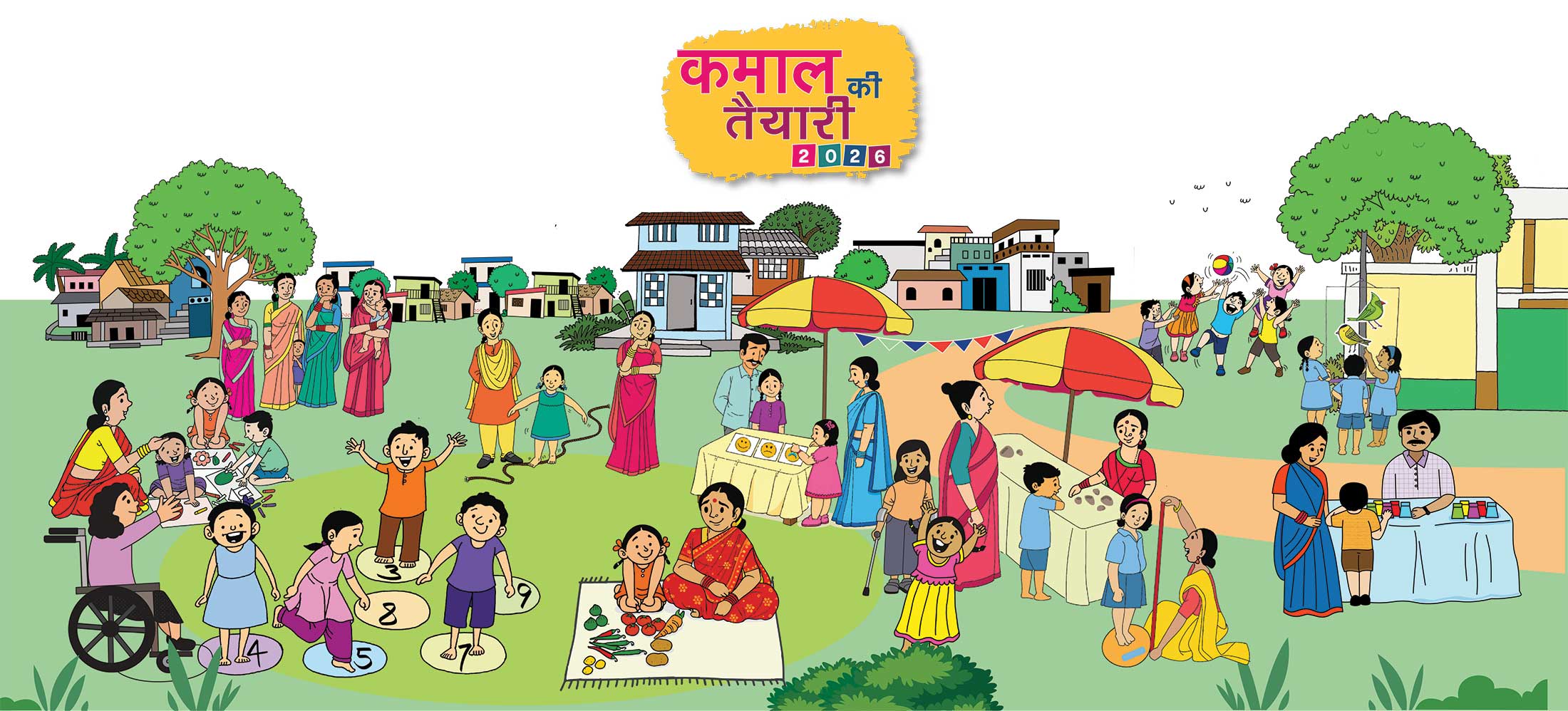
CAMaL Ki Taiyyari was Pratham’s summer 2026 initiative, in collaboration with P&G Shiksha, designed to meet children, families, and Anganwadi workers right at this moment of transition. It brought together community-based School Readiness Melas (SRMs) with simple, structured home learning activities led by caregivers, especially mothers. The aim was to strengthen children’s readiness across developmental domains so they walk through the school gate confident, curious, and ready to learn.
Reach

11
states and union territories

Over
83,000
School Readiness Melas organised

More than
10 lakh
children reached
A summer of getting school-ready
Watch how CAMaL Ki Taiyyari took children from community melas to learning at home, on their journey towards a confident start to school.
*With P&G Shiksha’s support, Pratham ran CAMaL Ki Taiyyari across seven states and a union territory, reaching over 9.75 lakh children.
What are School Readiness Melas?
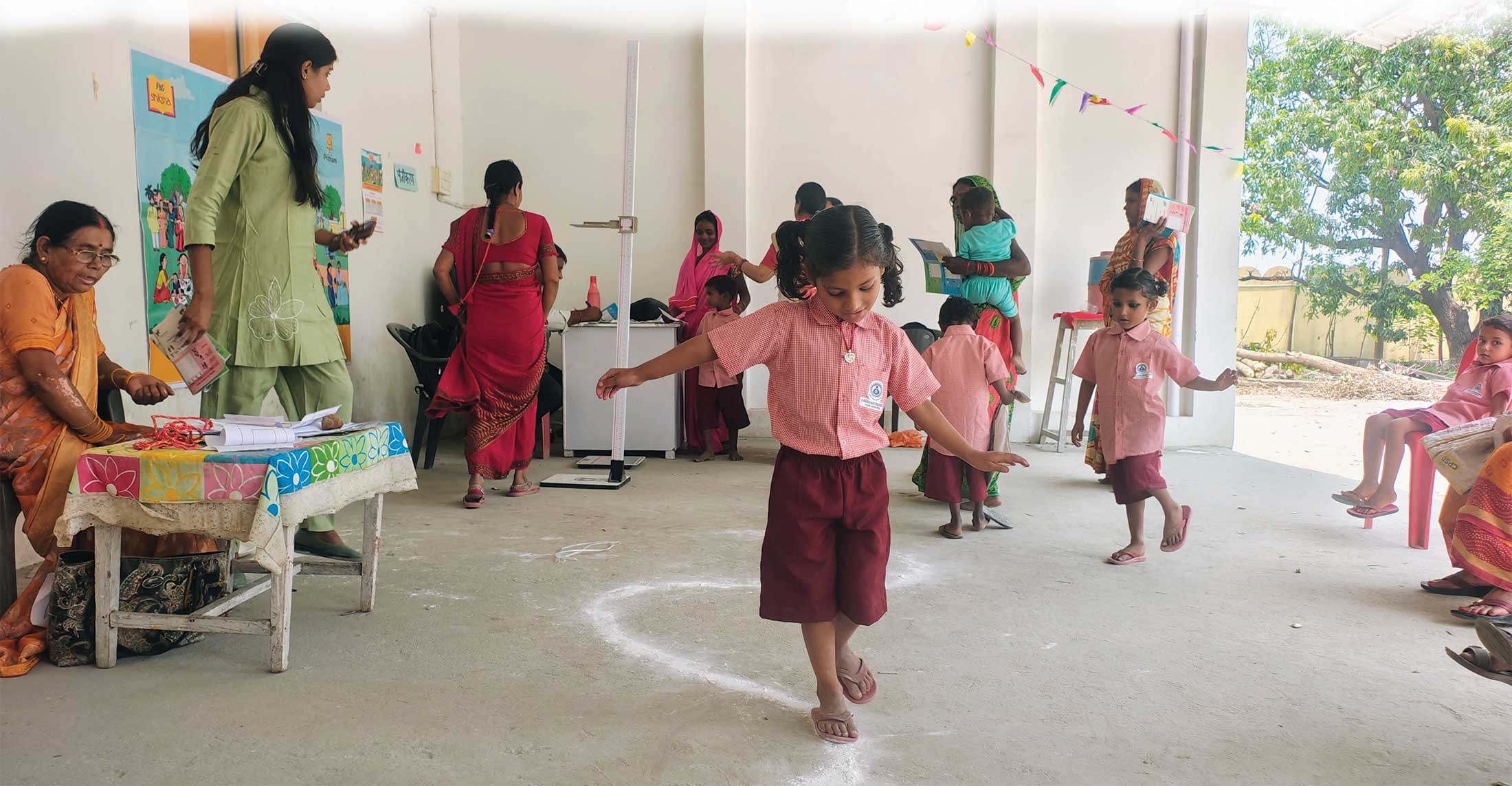
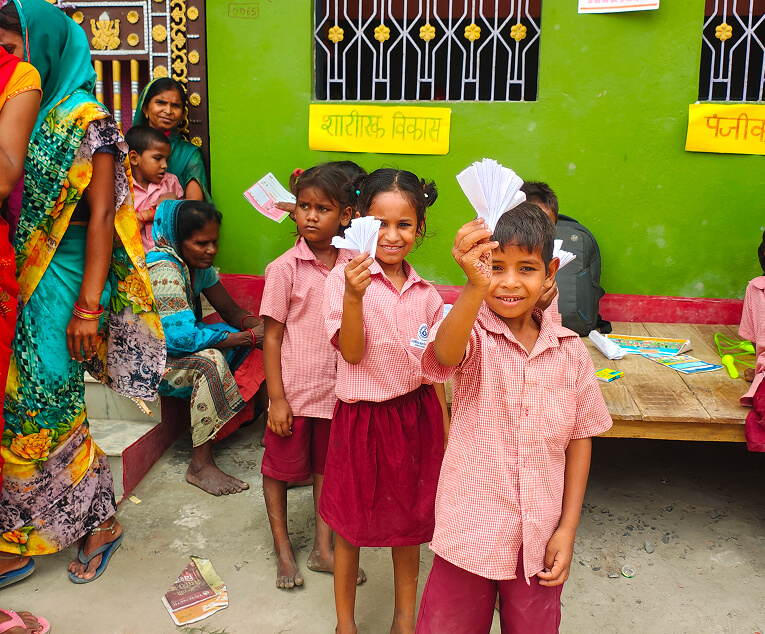
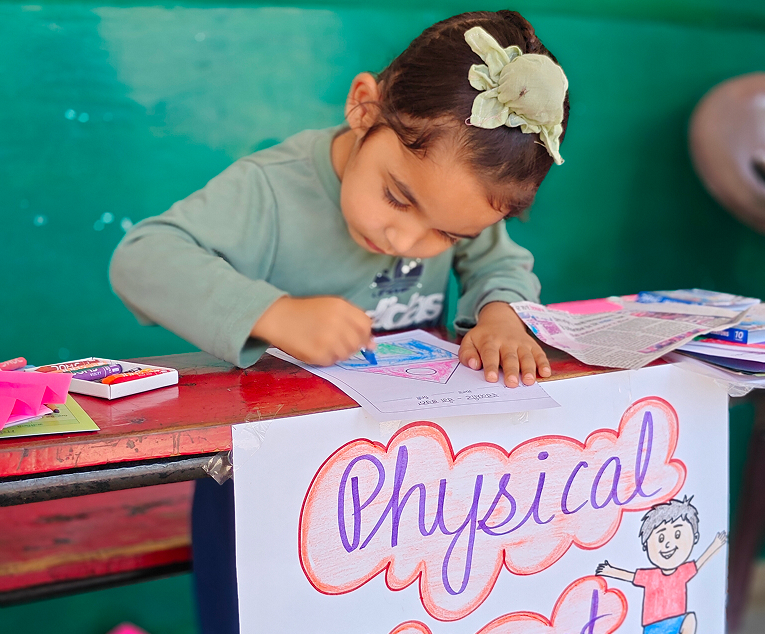
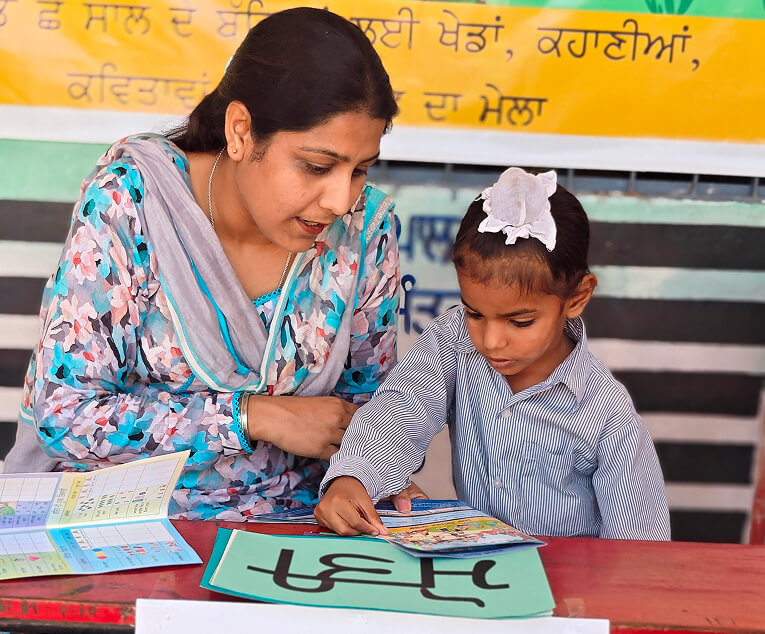
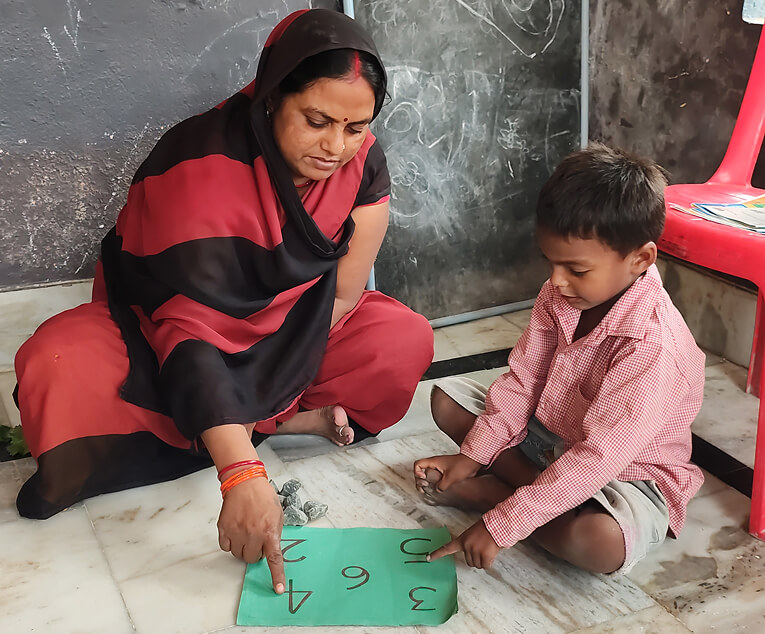
Within the early childhood spectrum, one of Pratham’s major objectives is to ensure that children are “Ready for School”. A key activity undertaken by Pratham in this regard is the “School Readiness Mela”—vibrant community events held in parks, school grounds, community halls, or open spaces to gauge the school readiness level of children about to enter Grade 1.
Children move through a series of fun, age-appropriate activity stations spanning different developmental domains—from gross motor and cognitive activities to language and early math games. At the end of the mela, mothers/parents receive a simple report card that shows how their child is doing across each domain. They are also oriented on easy, practical activities they can do at home to strengthen these skills. SRMs aim to respond to the dual challenge of underprepared children and under-resourced parents.
Alignment with National Priorities
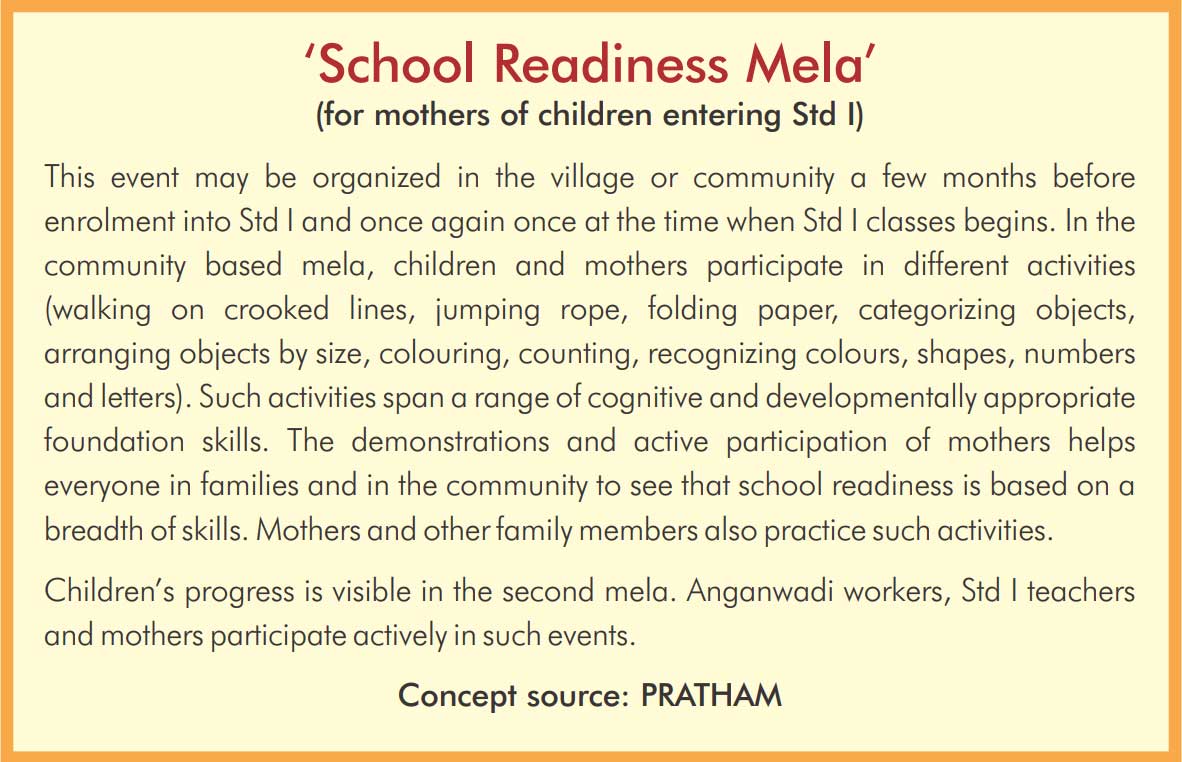
The importance of School Readiness Melas (SRMs) is emphasised in NIPUN Bharat guidelines (See excerpt).
(NIPUN Bharat guidelines, Page: 239)
Highlights from the mela
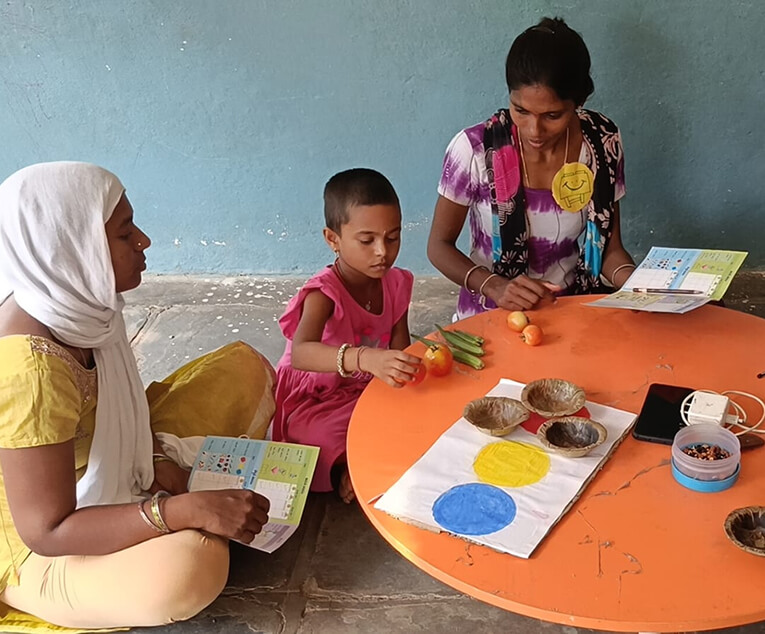
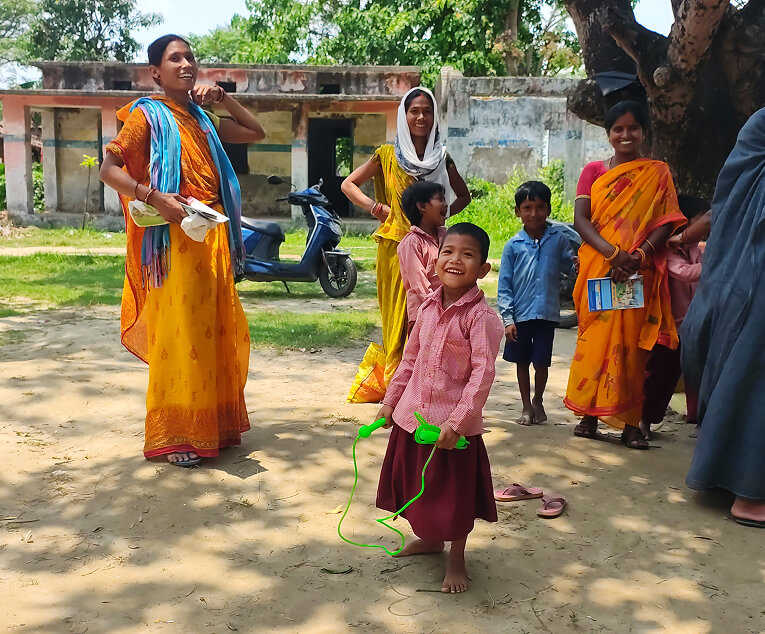
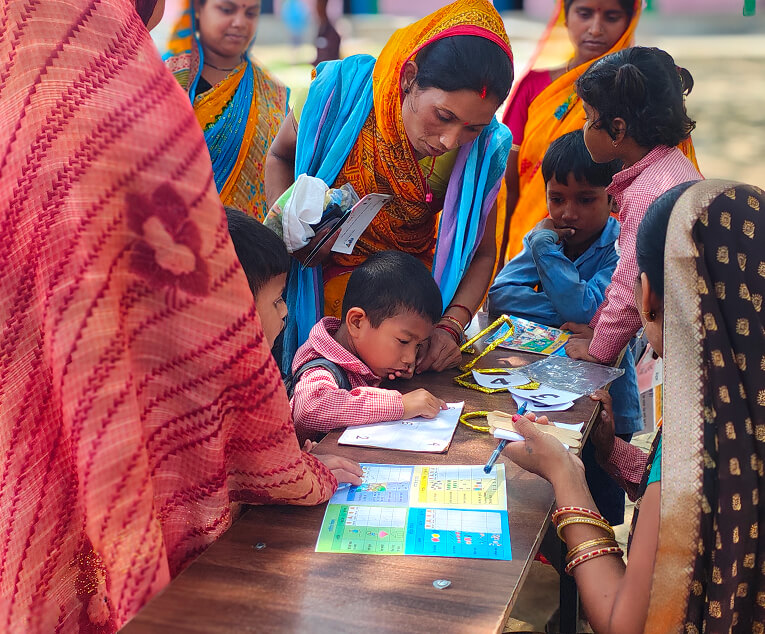
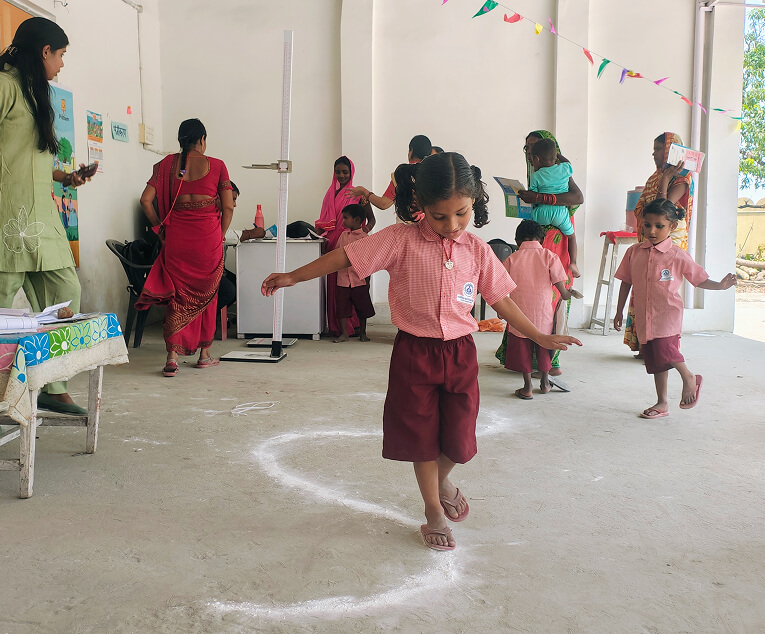
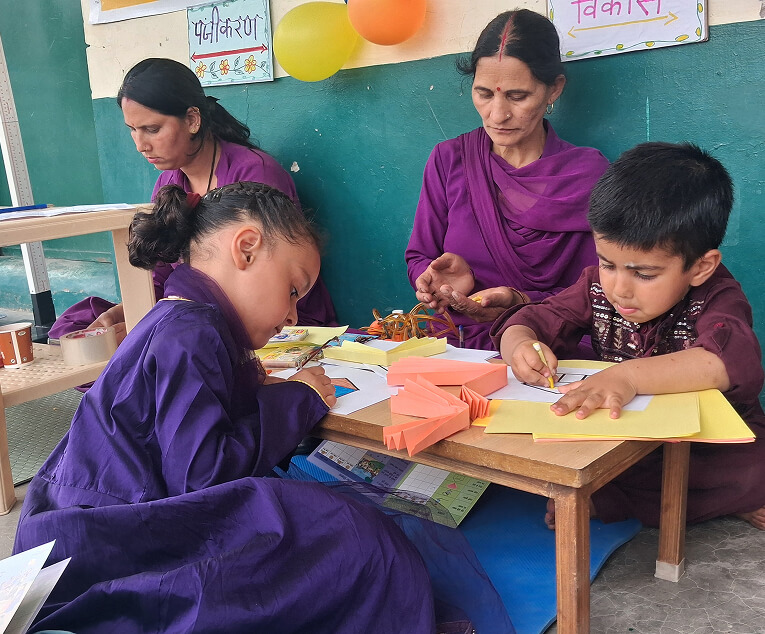
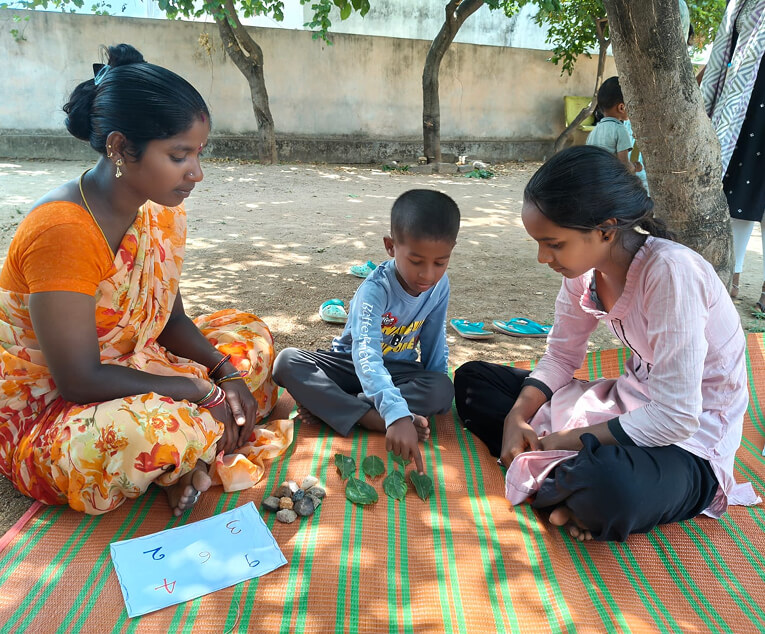
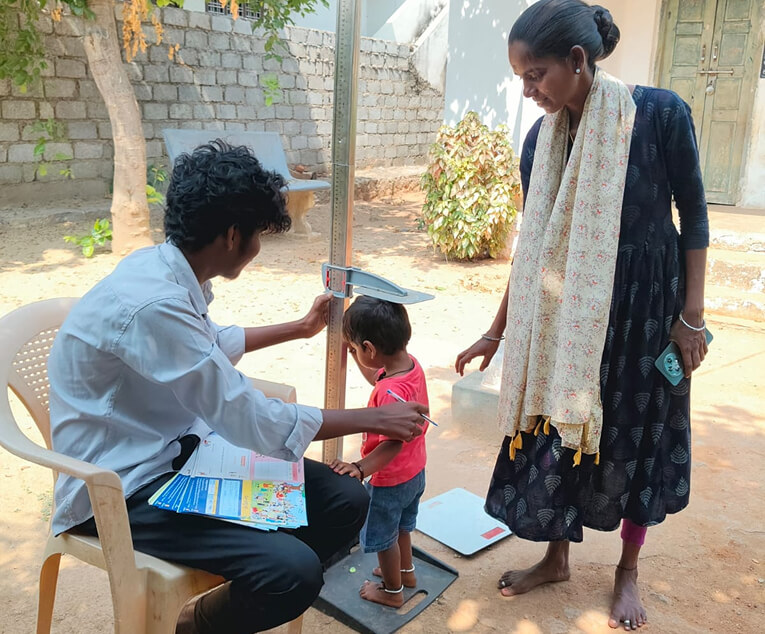
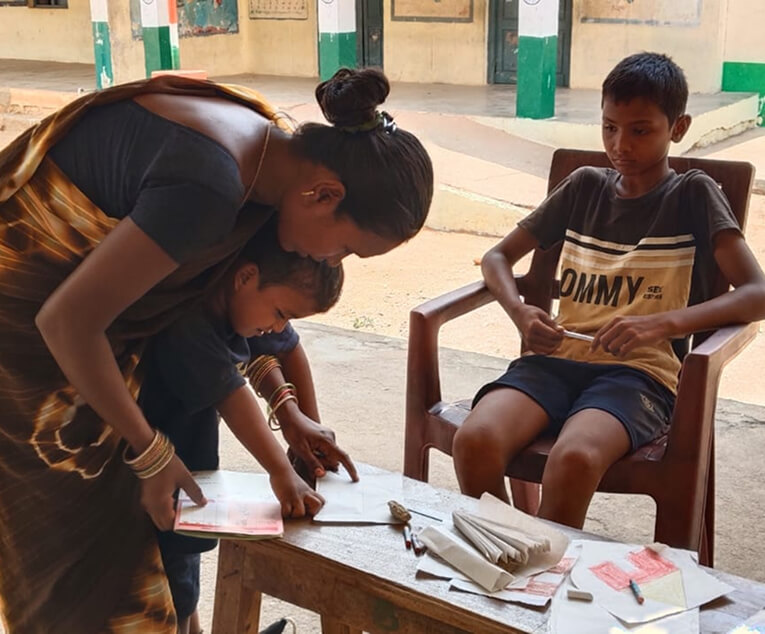
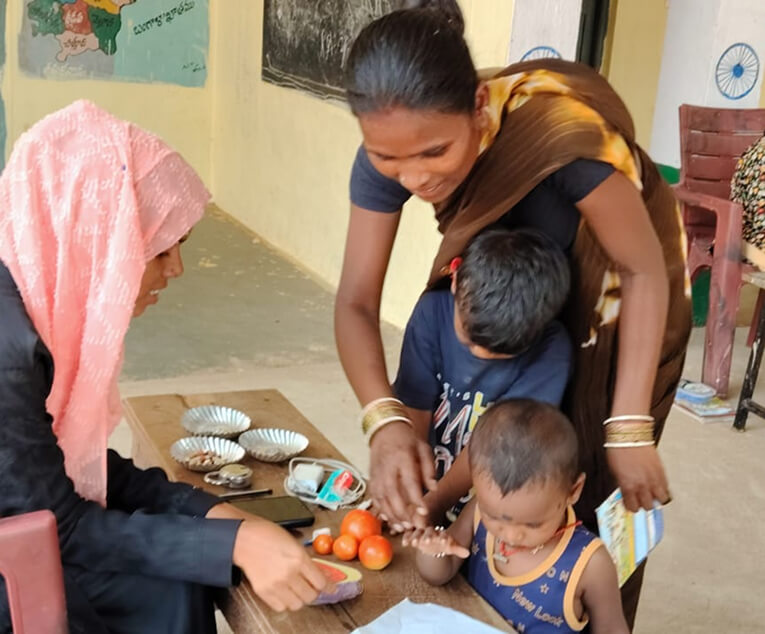
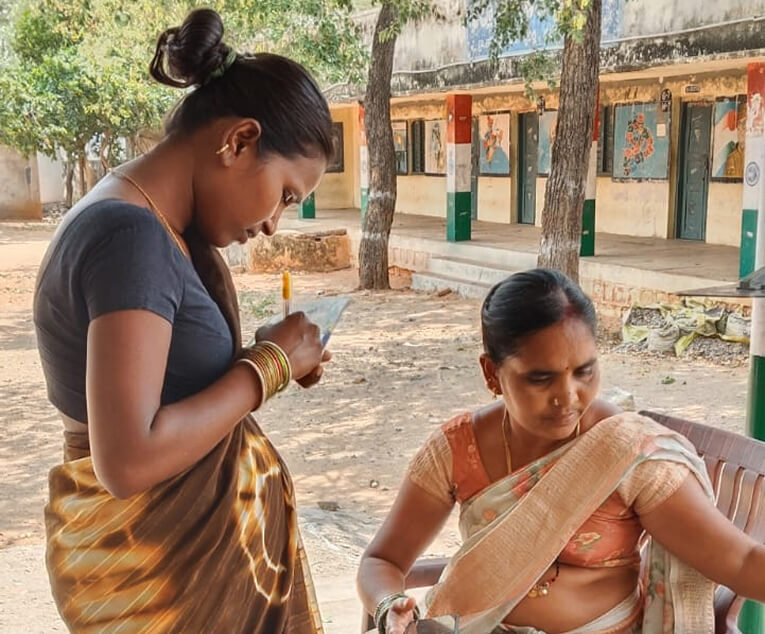
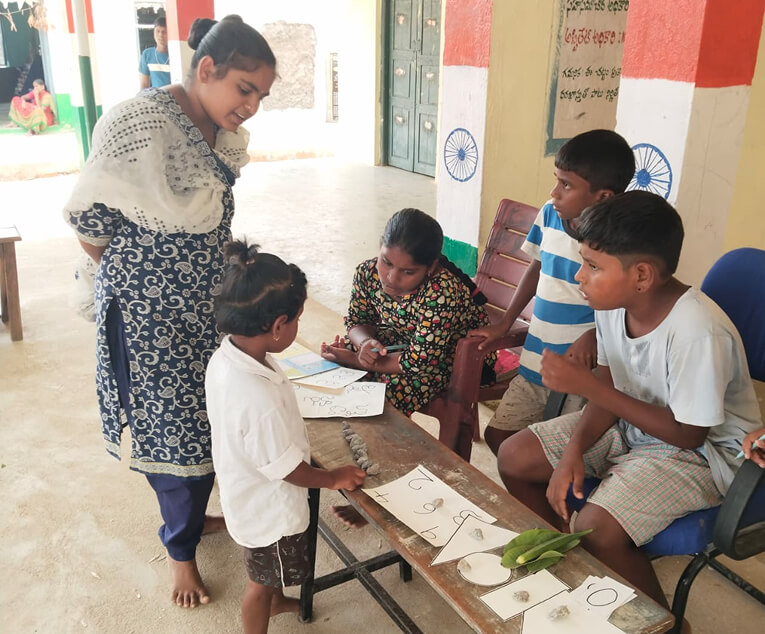
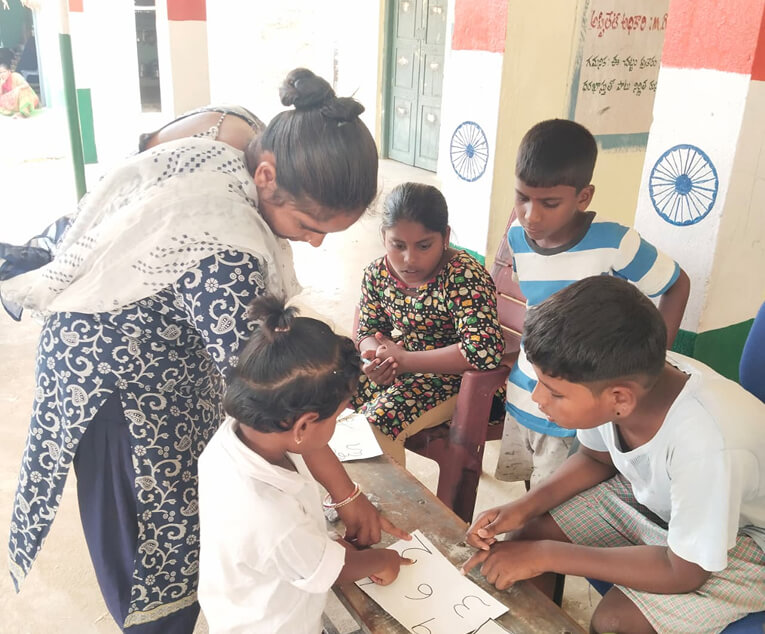
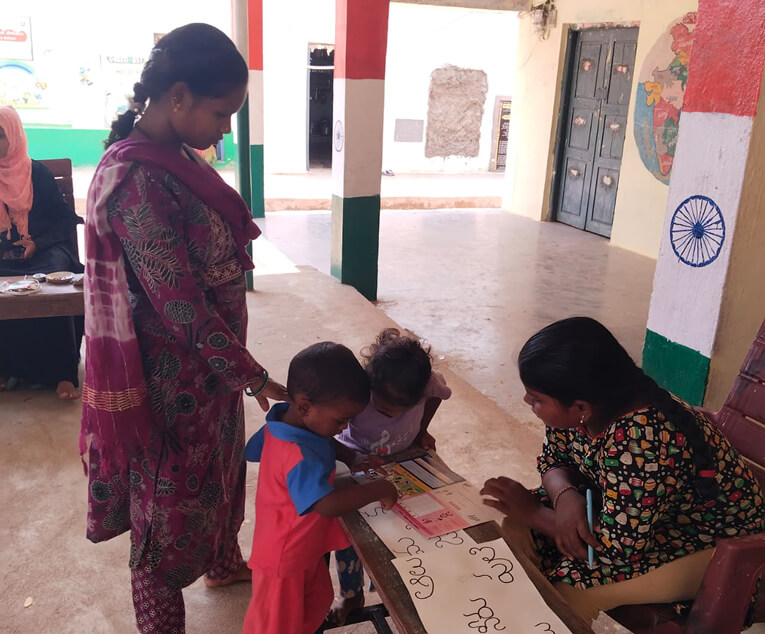
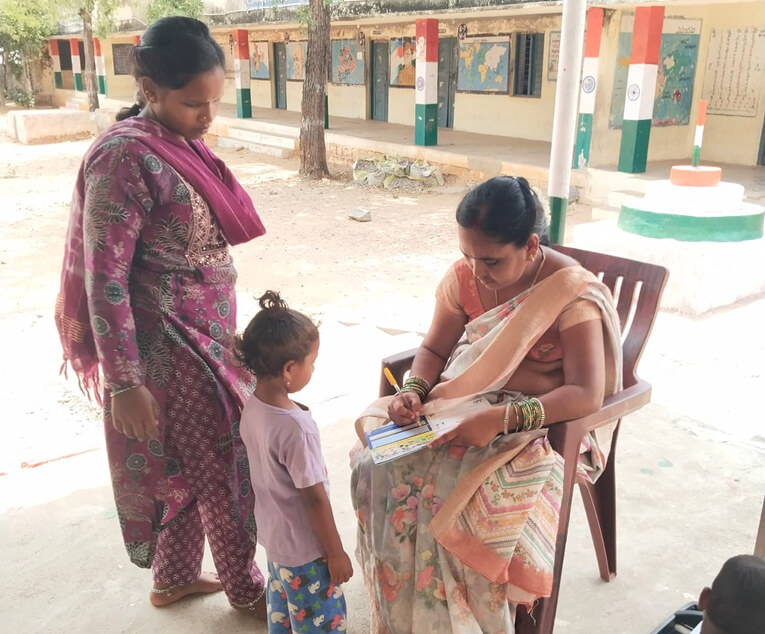
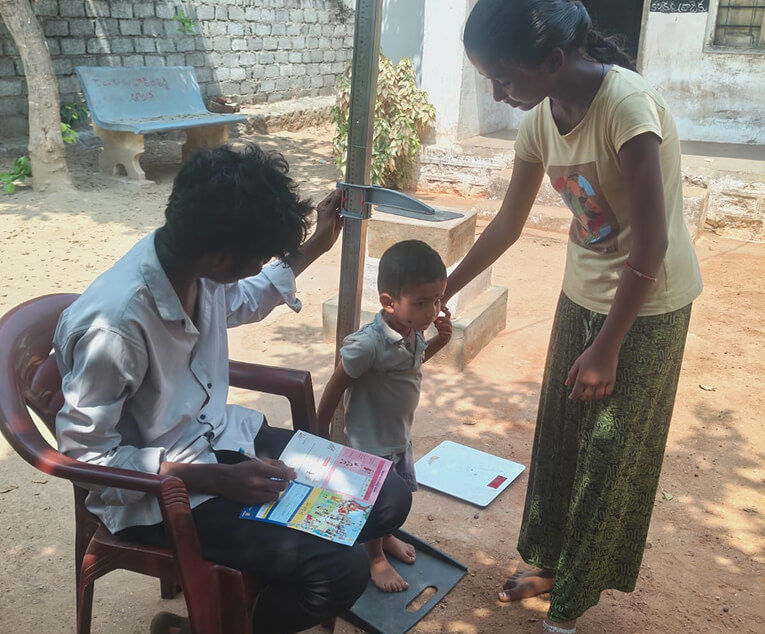
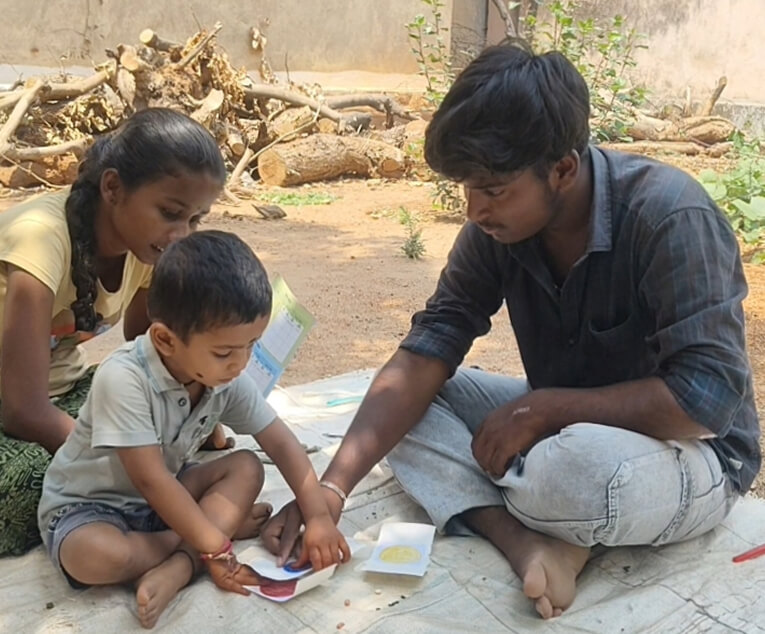
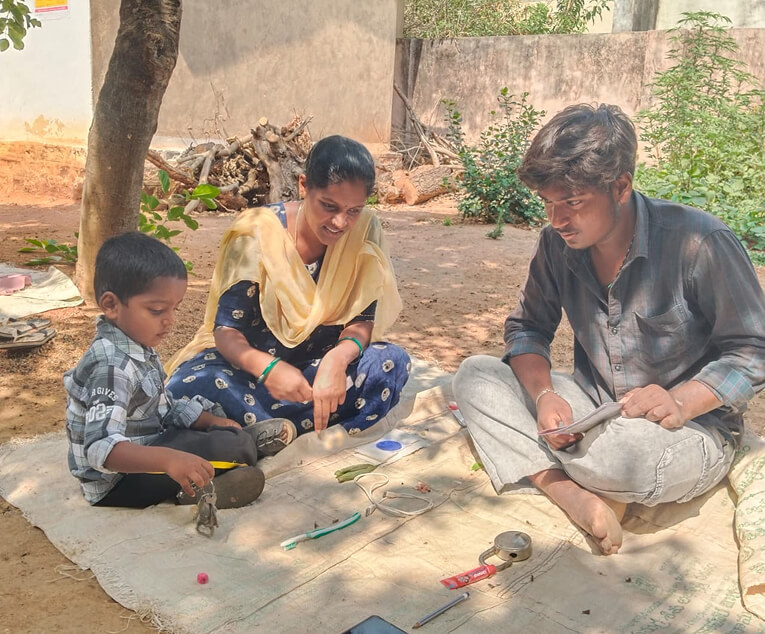
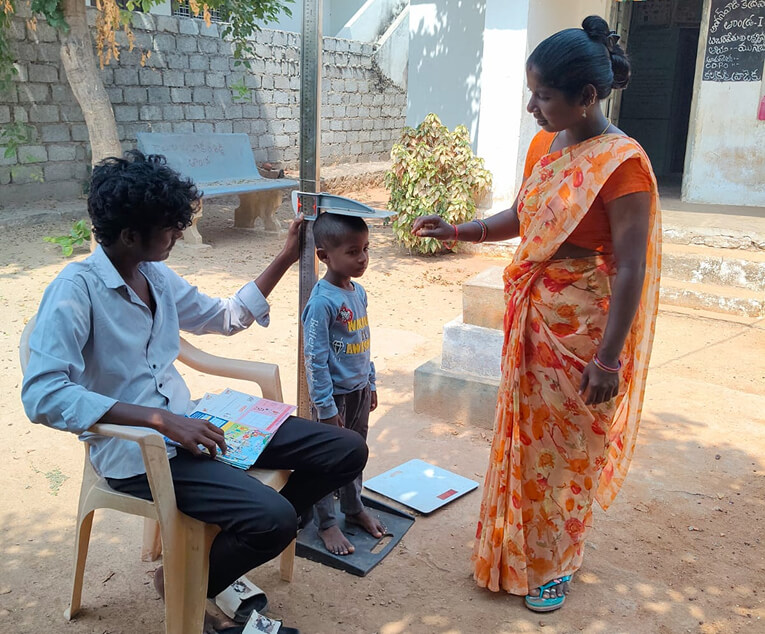
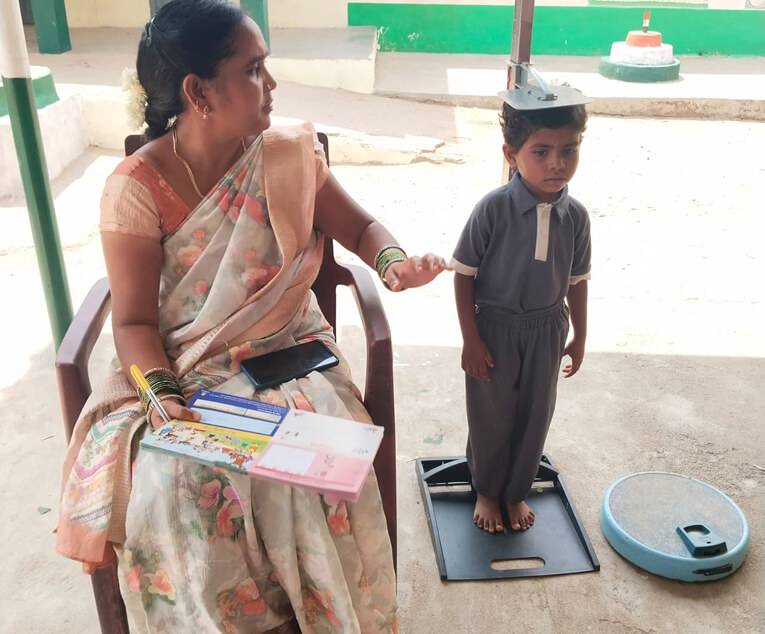
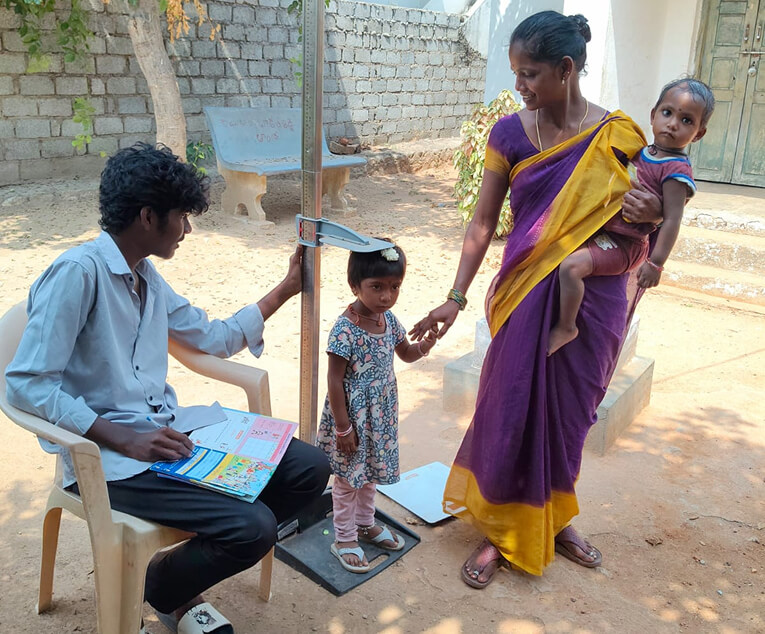
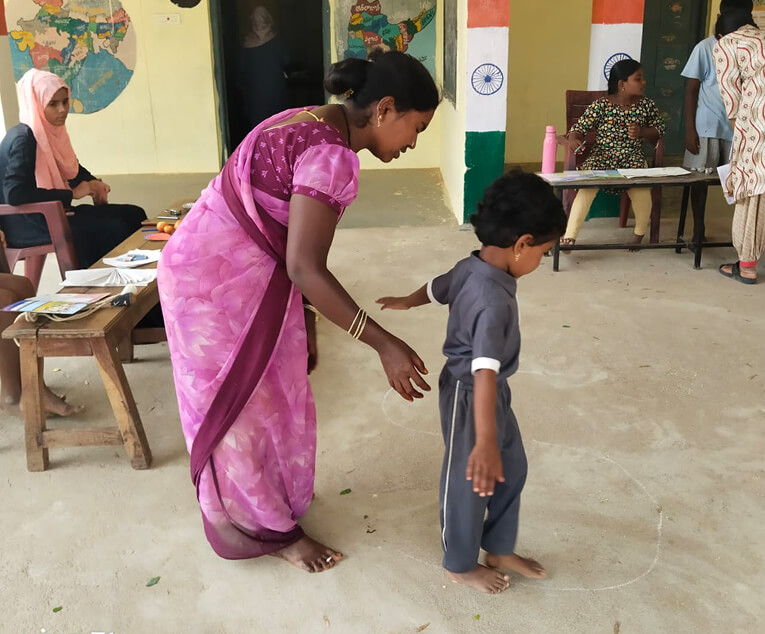
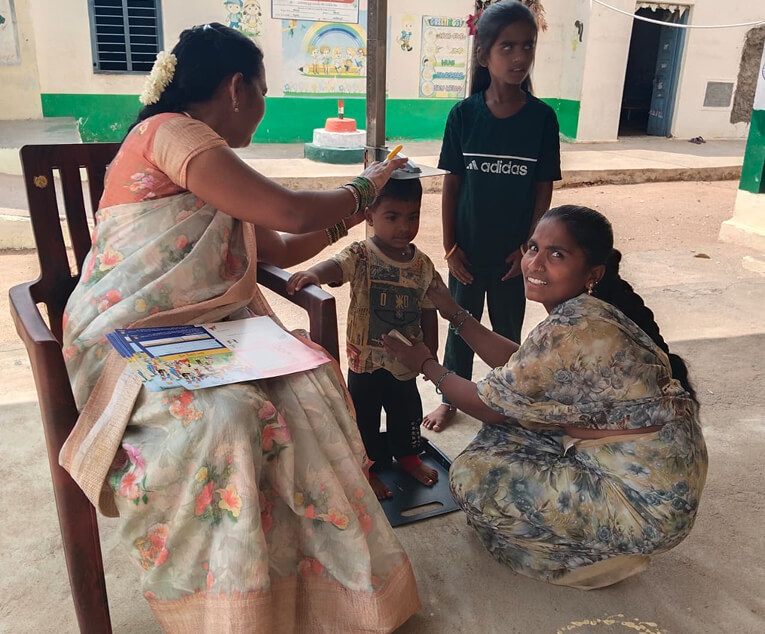
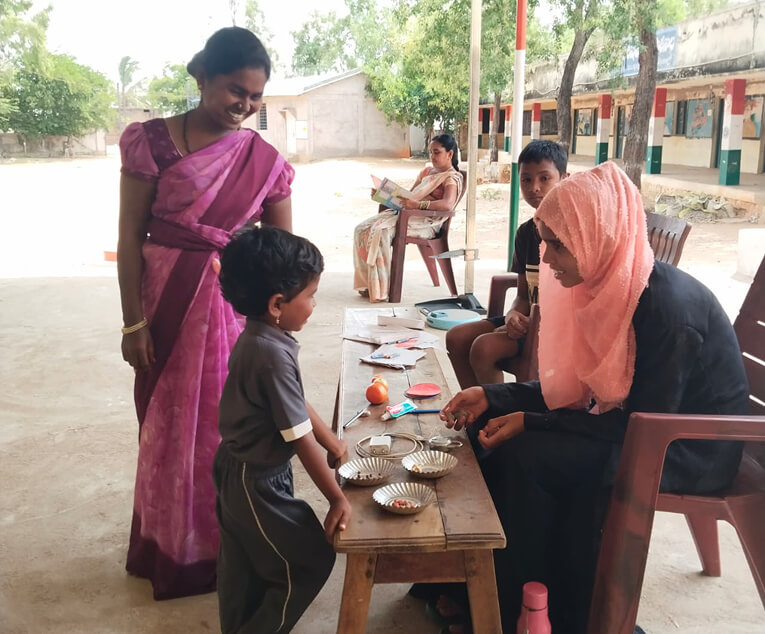
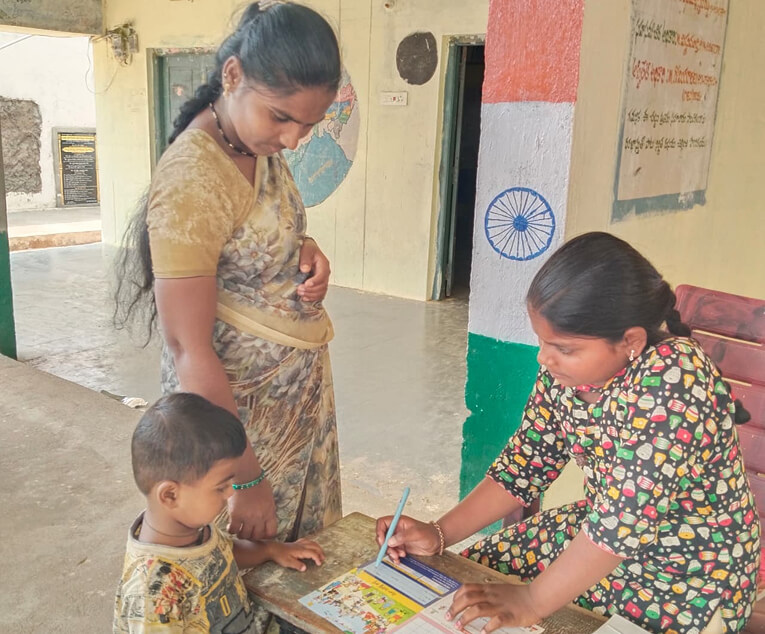
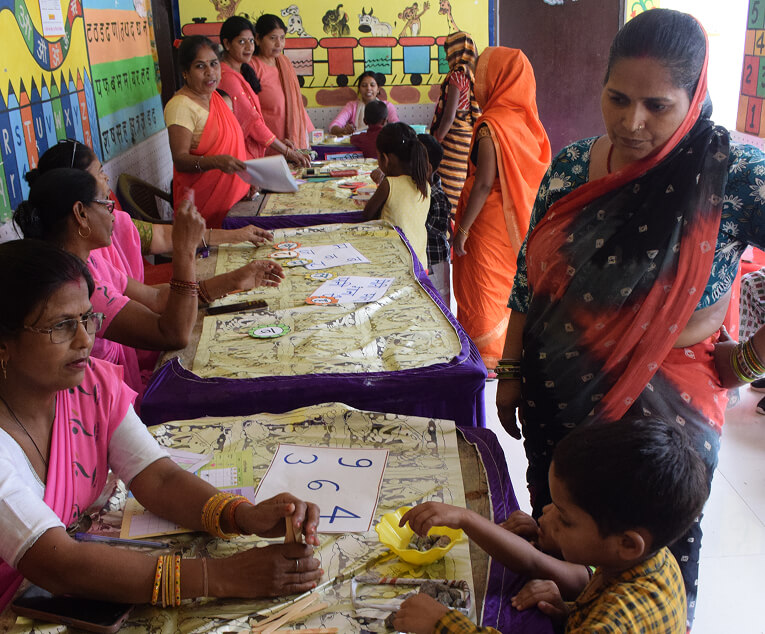
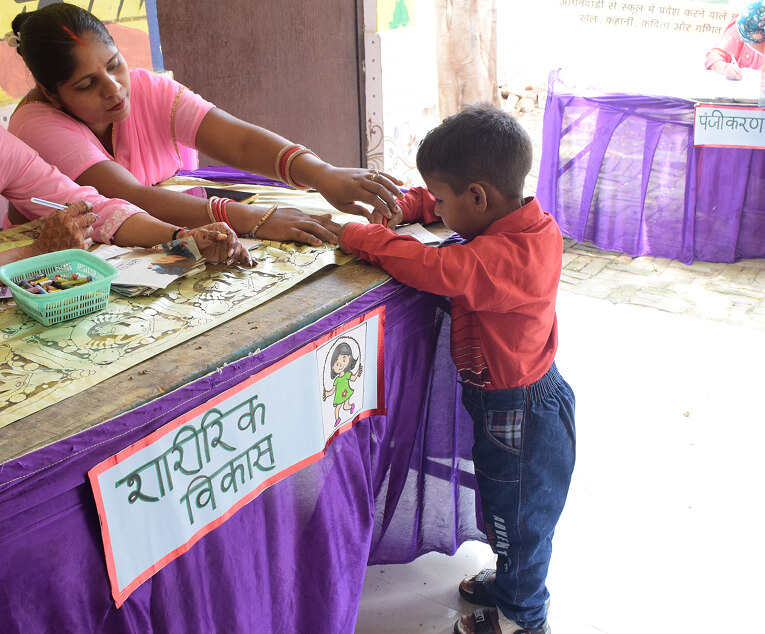
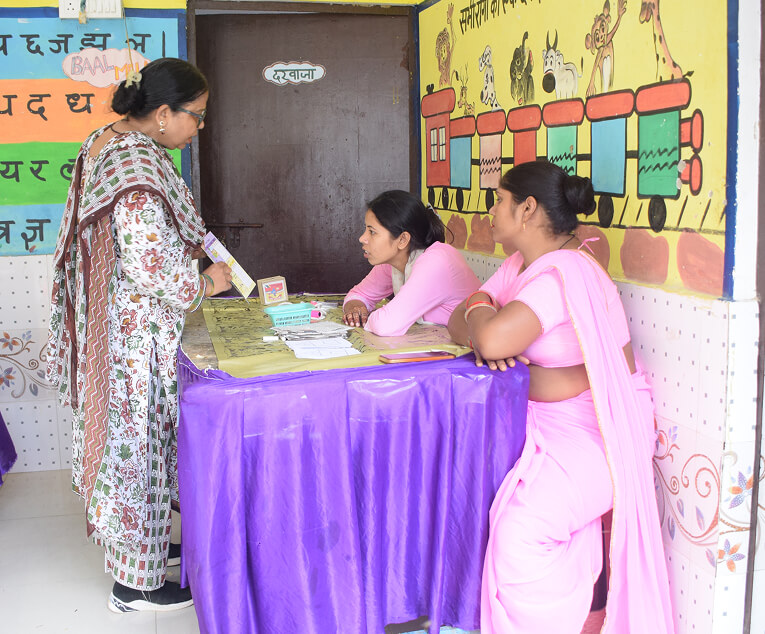
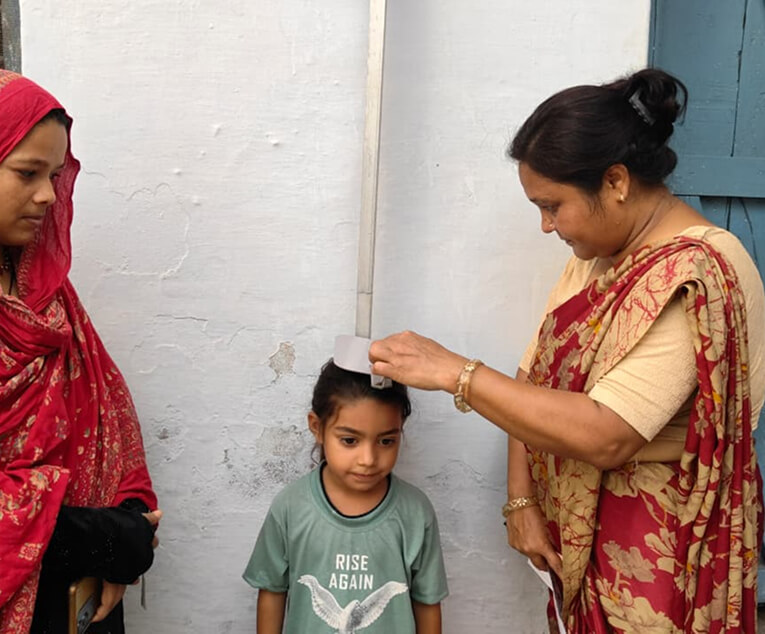
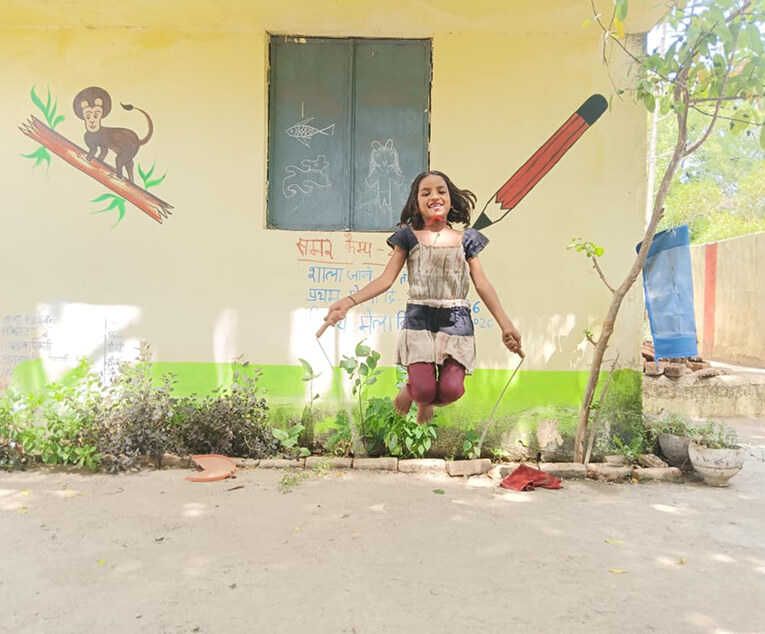
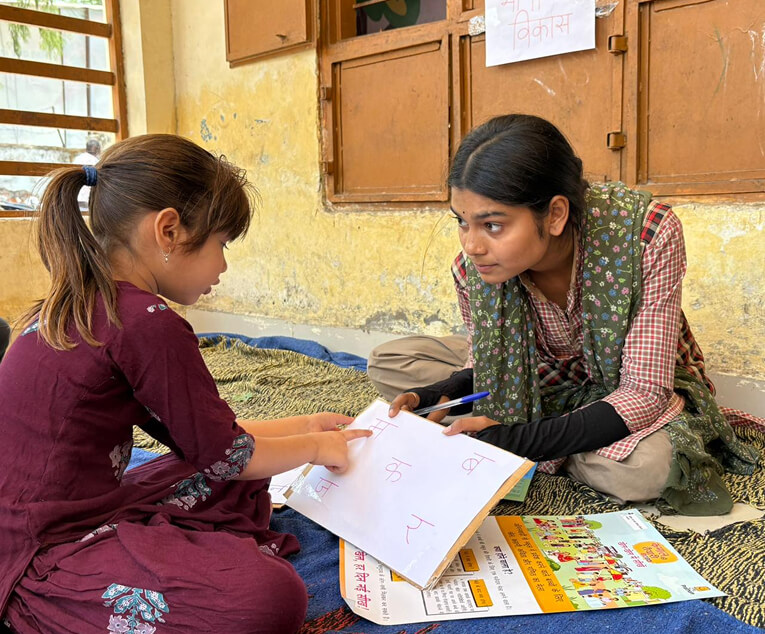
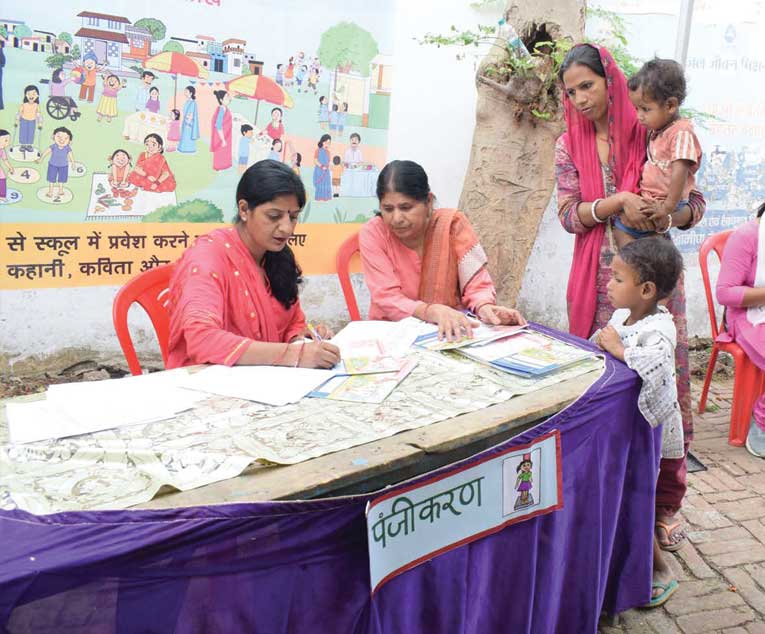
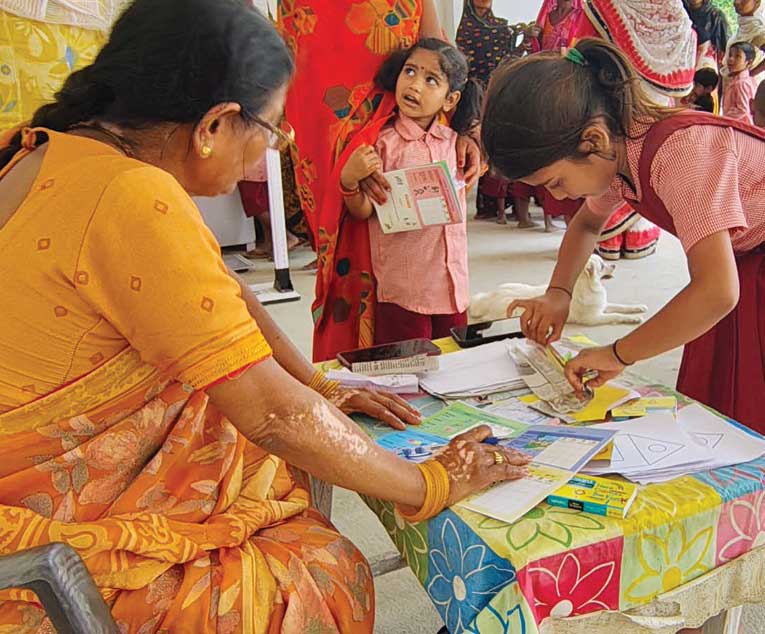
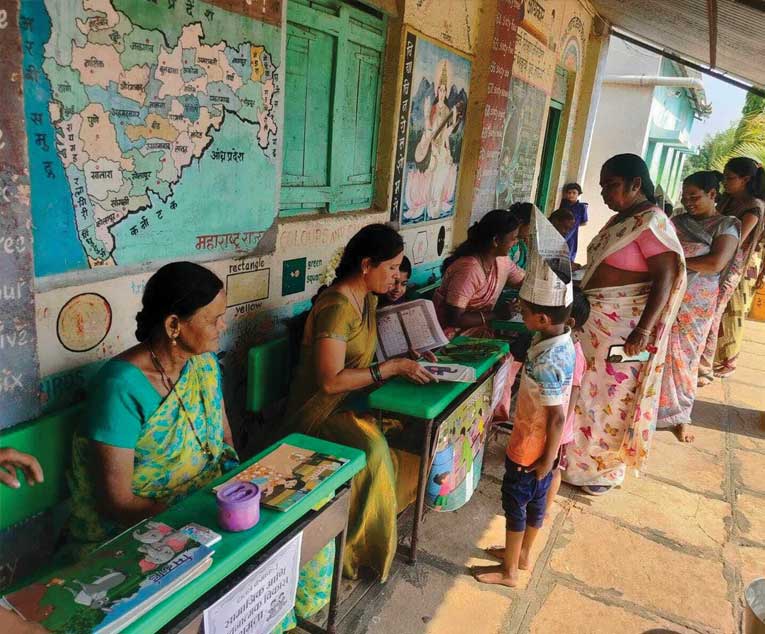
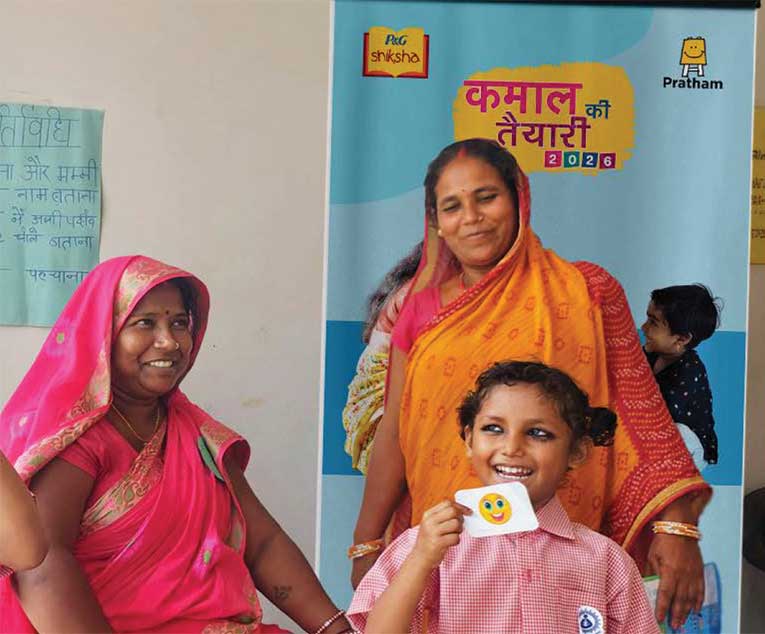
How CAMaL Ki Taiyyari Was Conducted
Pratham will conduct the summer initiative in three stages:
STAGE 1:
Community-based School Readiness Mela 1
- Pratham teams brought together local Anganwadi centres and primary schools, along with community support, to organise multiple SRMs at multiple locations.
- Mothers/parents accompanied their children through 5-6 developmental domain stalls/booths, with volunteers recording observations on simple, illustrated report cards.
- Mothers/parents were given the report cards and introduced to daily learning activities delivered through WhatsApp.
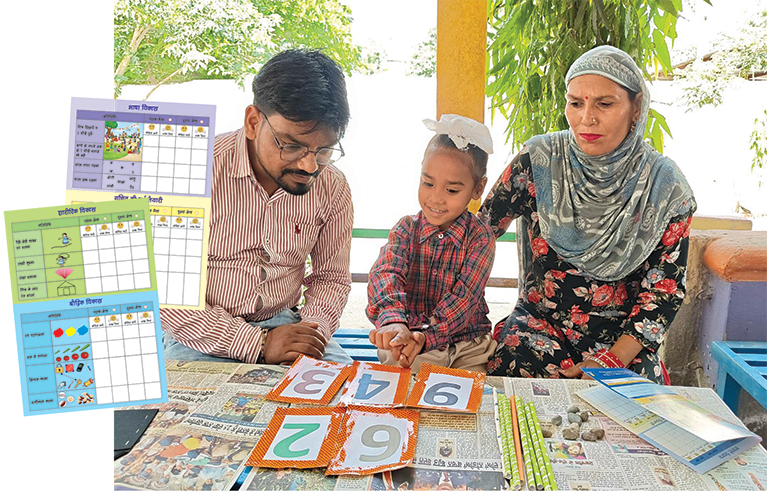
STAGE 2:
Home-based engagement (4-6 weeks)
- Digital content packages—“Ek Kahani, Ek Khel, Ek Kavita" (One Story, One Game, One Poem)—were shared with mothers/parents every day via WhatsApp.
- Mothers/parents carried out these short activities at home with their children.
- Anganwadi workers and pre-primary teachers supported families through frequent home visits.
STAGE 3:
Follow-up School Readiness Mela
- A second mela was conducted to track children’s progress after these four to six weeks of home-based activities.
- The final report card was then shared with mothers/parents, and Grade 1 teachers so they knew the learning profile of their incoming students.
The first day of school is a moment a child remembers. CAMaL Ki Taiyyari was about making sure that when that day came, it was met not with anxiety, but with readiness—a child who had played, explored, been listened to, and been prepared for the learning journey ahead.