
A tradition of over 20 years of credible and comparable evidence on schooling and learning in India. That’s ASER, an audacious idea that started in 2005 and continues to date, covering all rural districts in India.
ASER has helped move the needle on schooling and learning. It has provided inputs for policymaking and planning, informed education budgets and anchored academic research. It has also enabled communities and families to better understand their children’s educational needs. All of this for one common national goal: Every Child in School and Learning Well.

ASER 2024
States
Districts
Volunteers mobilised
Children reached
What will ASER 2026 report on?
- For young children aged 3-6, ASER will track participation in early childhood education.
- For children aged 6-16, ASER will track enrollment status and foundational learning.
- For older children aged 14-16, ASER will continue to collect information on digital access and usage, and assess them on digital skills.
- ASER will also track enrollment patterns and age distribution of children across grades.
- ASER will collect data on parental education and household characteristics.
As we get ready to embark on ASER 2026, India's largest citizen-led, household-based survey collecting reliable and comparable data, we invite you to be a part of this exercise.
It costs ₹2 lakh to survey an entire district. Every contribution counts, big or small. Donate any amount and help us add to the ASER legacy, and move India closer to the goal of every child in school and learning well.
Frequently Asked Questions (FAQs)
Here are some questions that you might have. If you don’t find what you’re looking for, please email us at contact@asercentre.org or visit asercentre.org for ASER-related queries. For donation-related queries, email us at finance@pratham.org.
1. How is ASER different from existing learning assessments in most education contexts?
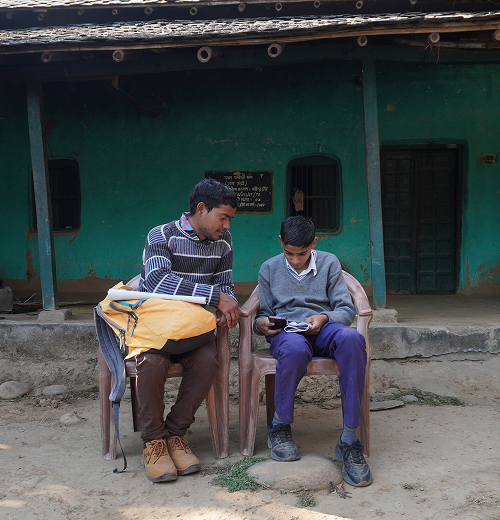
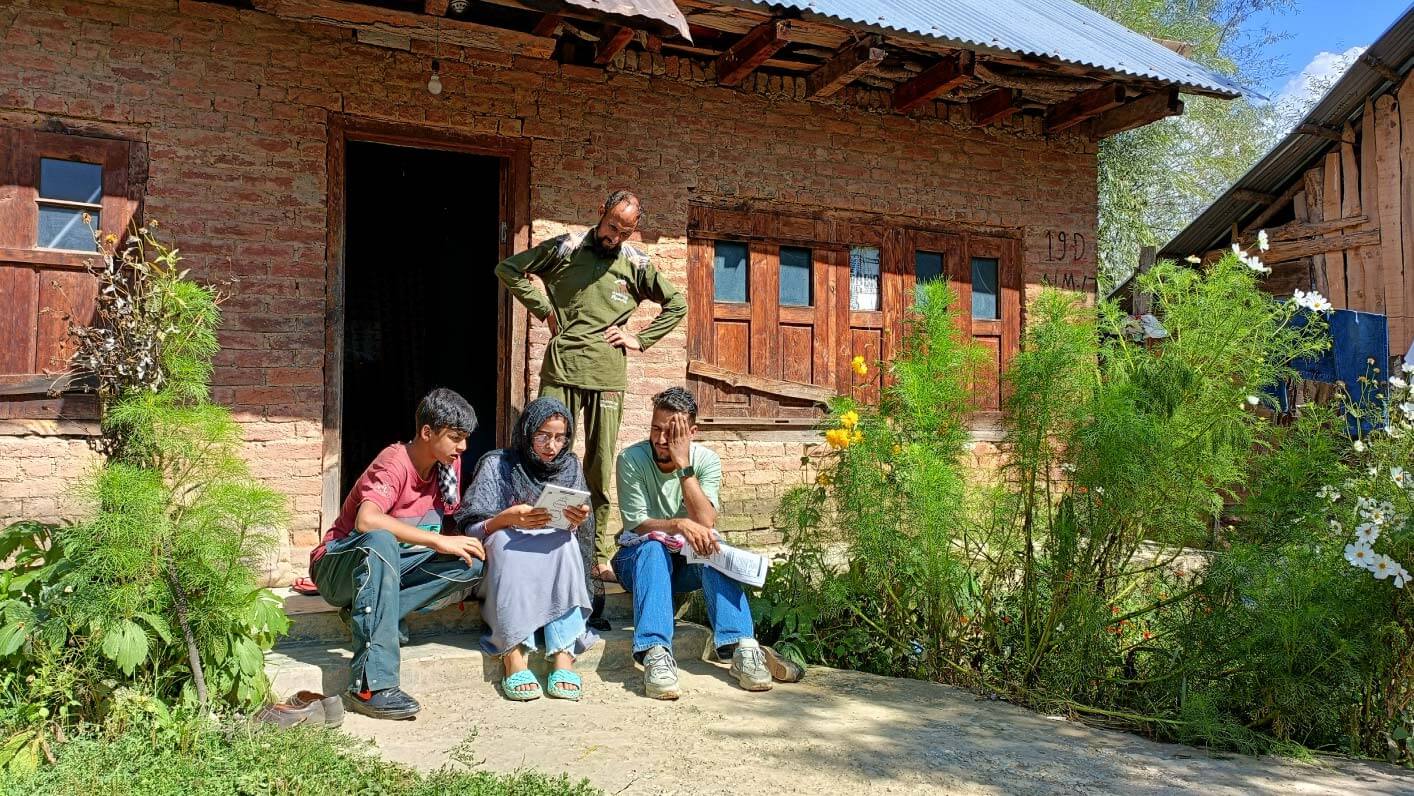
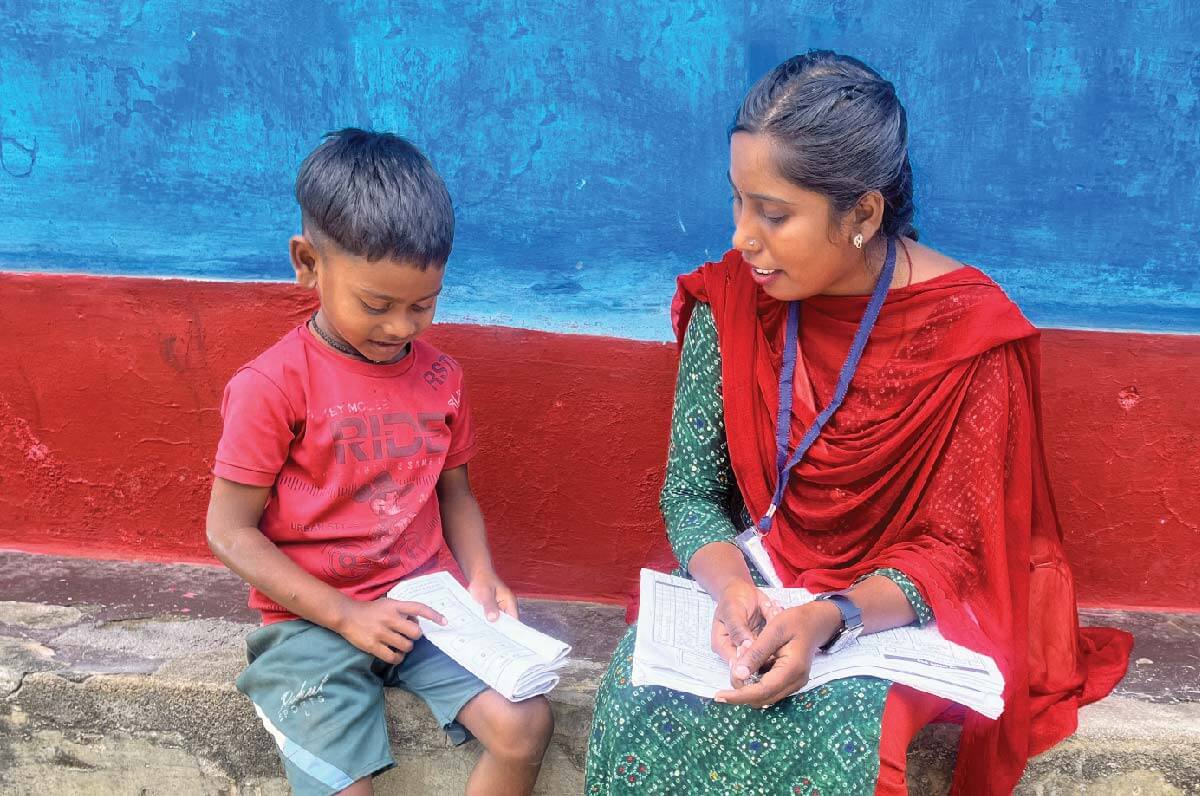
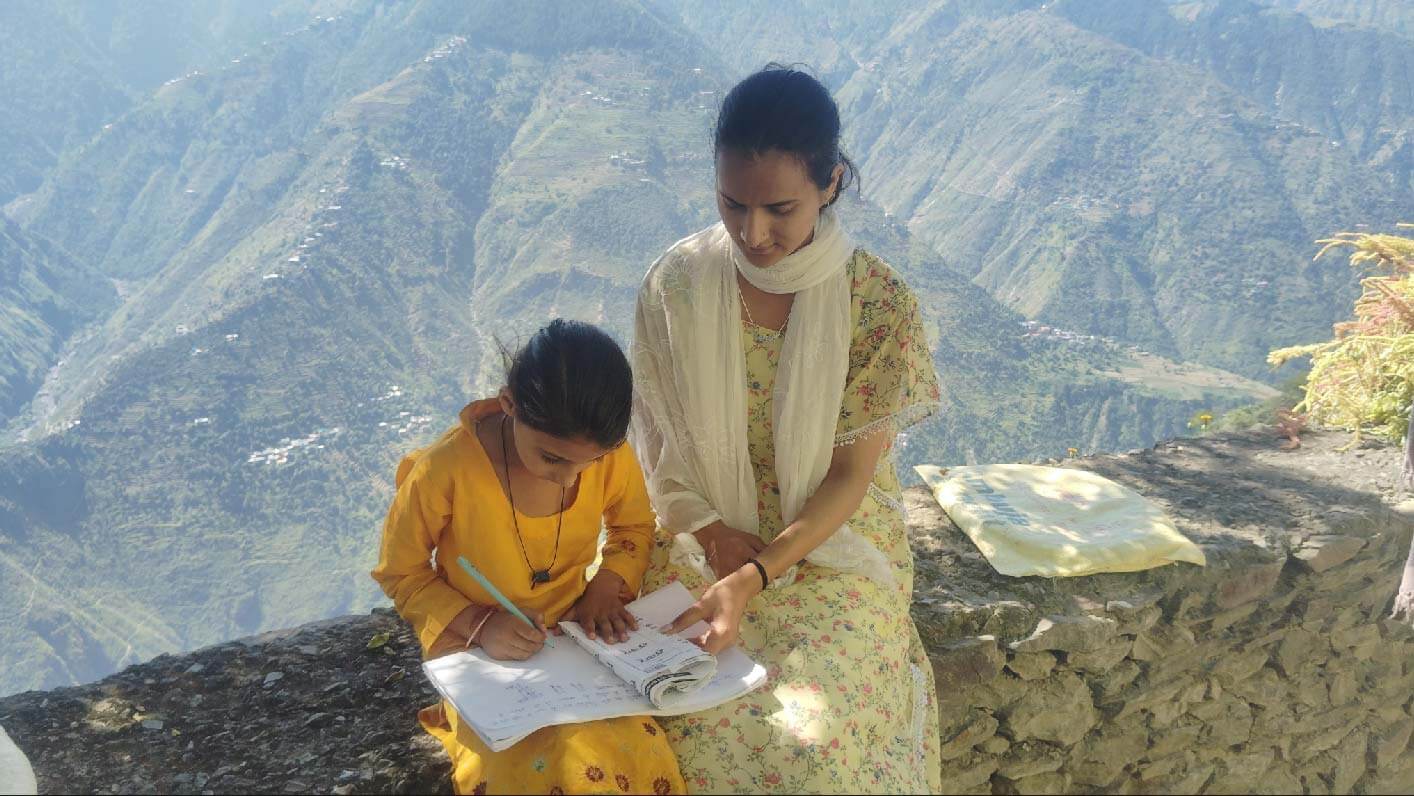
The ASER survey is household-based rather than school-based, reaching every child regardless of enrollment status, school type, or attendance. Drawing on extensive field experience, ASER focuses on a few “foundational skills” for all children, without assuming that they have been acquired by children in Grade 3 or above.
Further, it uses one-on-one oral assessments for each child, recognising that pen-and-paper tests are unsuitable, when many children struggle with reading. It also engages local district-level institutions in conducting the survey, fostering awareness, ownership, and possibilities for moving evidence to action.
For large-scale student achievement surveys, publication of results takes time. However, ASER is done between September and November, and the report is available by mid-January to enable planning for the following year.
2. How has ASER contributed to the education landscape of India?
ASER findings have significantly influenced education policy and practice in India and globally. ASER 2024 was extensively cited in NITI Aayog’s latest report on school education (May 2026), discussed with the Minister of Education, referenced in Parliament, shared by the Prime Minister’s Office, and used by the Rajya Sabha’s Parliamentary Standing Committee (363rd report) to recommend extending India’s Foundational Literacy and Numeracy mission to 2032.
Over the years, ASER has been referenced in major policy documents, including 10 Economic Surveys of India, NITI Aayog’s Three-Year Action Agenda (2017-18 to 2019-20), and the Planning Commission’s Five Year Plans (11th and 12th). Attention to ASER reports has also inspired state governments to launch learning enhancement programs and conduct their own assessments. Internationally, ASER pioneered the citizen-led assessment model, which has expanded to 15 countries through the PAL Network and has been featured in major global publications such as UNESCO’s Global Education Monitoring Report (2022) and the World Bank’s World Development Report (2018).
3. Is ASER data representative? If yes, at what levels?
ASER data is representative at district, state and national levels. To get a representative sample, ASER employs a two-stage sampling strategy. In the first stage, 30 villages are sampled from the Census village directory in each district, using the Probability Proportional to Size (PPS) sampling technique. In the second stage, 20 households are selected randomly in each of the sampled villages, following a procedure known as the ‘every 5th household rule’. This gives a total sample size of 600 households in each district. The two-stage design ensures that every household has an equal probability of being selected in the sample.
4. What testing tools does ASER use, and for which age groups?
ASER assesses children in foundational reading and numeracy. It uses the same testing tool for all children in the age group of 5-16 years. The tool is administered one-on-one with each child. The highest level in the reading tool is Grade 2 level text and the highest level in the arithmetic tool is a division problem typically seen in Grade 3 or 4.
5. What will my donation support?
Your donation will support the implementation of the ASER survey. The survey in each district costs ₹2 lakh, which includes all costs related to training, field survey, monitoring, quality check and dissemination.
6. Will I get any tax benefits for donating?
Yes. Donations made to Pratham Education Foundation (Pratham) are eligible for tax benefits as per applicable laws. A tax receipt (Form 10BE) for the donated amount will be issued, which can be used while filing Income Tax Return.
7. What is the deduction under Section 80G of the Income Tax Act?
Section 80G of the Income Tax Act provides taxpayers a tax deduction of 50% of the donated amount on taxable income.
8. How can I claim the 80G tax benefit?
By contributing to Pratham, donors not only support our mission in education and community development but also enjoy tax benefits. After making a donation, donors receive Form 10BE, which can be used while filing their Income Tax Return (ITR) to claim the deduction.
9. When can I get a tax exemption certificate?
An acknowledgement of the donation is shared with donors on the same day of the contribution. Form 10BE is generated within 10 days of the following month in which the donation was made and is sent directly to the email address provided in the donation form.
10. Is my online donation secure?
Yes, all online donations are processed through secure, encrypted payment gateways in compliance with industry-standard data protection protocols.
11. Does Pratham accept cash donations?
Pratham does not accept cash donations.
12. Is there a minimum amount required to make an online donation?
The minimum amount required to make an online donation is ₹500. Pratham deeply values the generosity of its donors, as every contribution—big or small—helps us continue our mission in education and community development.
13. How is personal information of donors used and protected?
At Pratham, we are committed to protecting the privacy of our donors. Personal information is used only for processing contributions, issuing receipts, and providing impact updates, and is never shared with third parties.
14. Can I donate from outside India?
At present, we accept donations from Indian citizens through their Indian bank accounts only.
15. How can I make a state- or district-specific donation?
Thank you for your interest! If you want to support a whole state or district, please email us at pmg_pratham@pratham.org and we will get back to you.